Write for the Living

I. What We Lost
There is a question that nobody in the literary establishment wants to answer honestly:
What is literature for?
Not in the academic sense. Not in the careerist sense of grants, reviews, and the approval of editors in the same three zip codes. I mean what is it for in the oldest, most human sense? The sense that drove people to gather around fires and tell each other stories long before anyone had a deconstructive theory about it. What is the purpose of one human being spending their life building a world out of language, and another human being surrendering time from their own life to enter it?
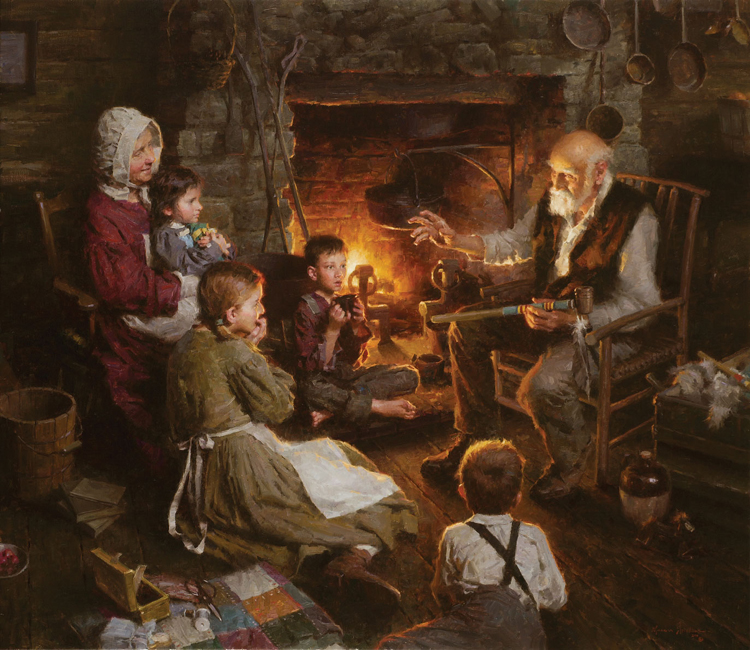
For most of recorded literary history, the answer was understood without needing to be said: a story should do something to you. It should leave you different from how it found you. It should raise your emotional floor, sharpen your moral vision, illuminate corners of your interior life that you had either never visited or had long been afraid to enter. Great fiction the fiction that lasts, the fiction that gets passed from parent to child and friend to friend across centuries and does not merely trigger dopamine in a disposable, replaceable way. It transforms. It takes the reader's hand and leads them somewhere they would not have gone alone in their life's trajectory, and when it releases them at the other side, the world looks different. They look different. They are different. Their soul has been touched. They have been enlightened, awakened, moved into a new worldview of their own.
Before the banishment of truth and beauty, this was once considered the highest ideal of art. It is now, in certain circles, considered heretical.
Something has gone badly wrong in the world of Western literature (and Western storytelling as a whole), and if we are honest about it… if we are willing to say plainly what is happening instead of dressing it in the comfortable language of theory… we will name it. The gatekeepers of literary culture have turned on the reader. Deliberately, with malice, with a kind of high-minded negligence that amounts to the creation of endless, meaningless slop that does nothing. The institutions that govern who gets published, who gets reviewed, who gets taught, who gets celebrated have quietly decided that literature is not for the normal person reading it. It is for the critics. It is for the ideologues. It is for the propagandists. It is for the argument. The reader, the living, struggling, imperfect human being who comes to a work wanting something real has been neglected in Western literature.
And they have, understandably, left. No longer buying Western literature. No longer reading Western literature. No longer interested in Western literature. It's not that people don't read, but that they are now largely consuming Eastern literature.
II. Their Cathedral of Ruin
To understand how we arrived here, you need to understand the people who built the current Western literary order and what they actually believe.
There is a class of intellectual that has flourished in Western universities and literary magazines for a century now, and their founding principle is to destroy. Self-improvement, moral development, spiritual growth, the sincere desire of ordinary people to become better versions of themselves: all of this, in their framework, is contaminated by wrong-think, co-opted by market forces, or simply naïve. They have elaborate theoretical vocabularies for dismissing these impulses. They will call is racist, supremacist, sexist, consumerist. They will call it "capitalist self-optimization." They will invoke the language of power and systems and deconstruction. But strip away the apparatus and what you find is a deep and unexamined contempt for the kind of person who picks up a book because they genuinely want their life to change. They want what was lost. They want what was gate-kept out. They are unhappy with the state of the world and the state of themselves.
Those who have killed the golden goose of Western literature are the banishers of truth and beauty. The ones who wish to sever your connection to your soul, to the wisdom of your ancestors. They are, as a rule, evil people, and in their vile brilliance they have built a fortress and retreated inside it, and from behind its walls they regard the ordinary reader the way a certain kind of tyrant regards the peasantry: with a mixture of hatred, pity, condescension, and barely concealed, murderous alarm. The peasants must not be given too much. The peasants must not think the wrong thoughts. The peasants must not be allowed to believe that literature can be good and change people and be the moral fire necessary to reshape the world again.
What they cannot forgive, what truly enrages them about the tradition of fiction which remoralizes, is that it works. When a writer, such as Frank Herbert or Robert A. Heinlein, embeds genuine philosophical and emotional truth inside a story that is good enough to pull you in, something happens to the reader that no lecture or essay can achieve. You are lulled into openness by narrative, by character, by the pure forward momentum of a good sentence, and then, before your defenses have time to reassemble, an idea reaches you that you have never allowed yourself to think. A feeling surfaces that you have spent years pressing down. You see, on the page, a version of yourself that you didn't know already existed. You see the eternal passage of the voice of your ancestors. This is the mechanism of transformative fiction, and it is as old as storytelling itself. Music does it through sound. Paintings do it through self-evident beauty. But literature does it with the greatest precision and the most lasting effect, because it happens inside your own mind, in your own voice and imagination, at your own pace. Nothing else comes close.
The destroyers and defilers know this. Their hostility to it is not innocent confusion. It is territorial dominance. A will to conquer, destroy, defile, and enslave all that is good and distort it into that which is degenerative, ugly, and evil… much like themselves. When we interrogate the Western works of the last 100 years with open eyes, we can see the sinister pattern of subversion very clearly even in works which are still beloved by many and at the time were not seen for what they truly are. The destroyers used to be subtle, but they got greedy, drunk with power, and very evidently murdered the golden goose too. Young people are more honest than those indoctrinated by the cathedral of ruin as to what is genuinely self-evidently beautiful. Young people can smell the rot in Western literature and are repulsed by it, they would rather read authentic manga than the slop the destroyers churn out through their conquered lands not because there are pictures but because the storytelling is authentically human and not part of the anti-human miasma that overtook the West. While practically nothing from current Western literature interests me, I personally am currently spellbound by Chinese literature and am reading works I consider among the best stories ever written by humans. Entire generations of writers who tried to work with the captured system, and were forcefully gatekept out, no doubt have countless unpublished works sitting unread in boxes like yet to be discovered treasure that would rock the Western world of literature and change the life directions of millions of people sleepwalking toward societal death. This is a problem we will solve.
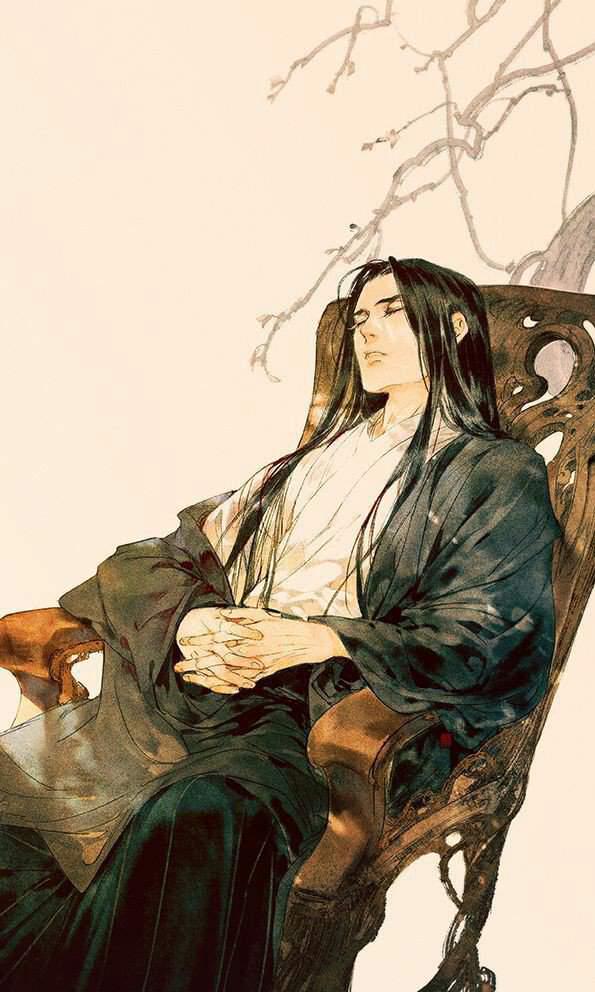
Evil cannot create anything new, they can only corrupt and ruin what good forces have invented or made. — A well known paraphrase from J.R.R. Tolkien's works.
III. The Duty of the Artist
There is an older tradition, and it is the one worth defending.
Across the great novelists of the past two centuries (Russian, American, Japanese, Latin American, wherever the literary fire burned hottest) there runs a common thread that the academy has worked hard to cut: the belief that it is the duty of the artist to put something transformative into the world. Not as a side effect. Not accidentally. As a conscious act of moral responsibility.
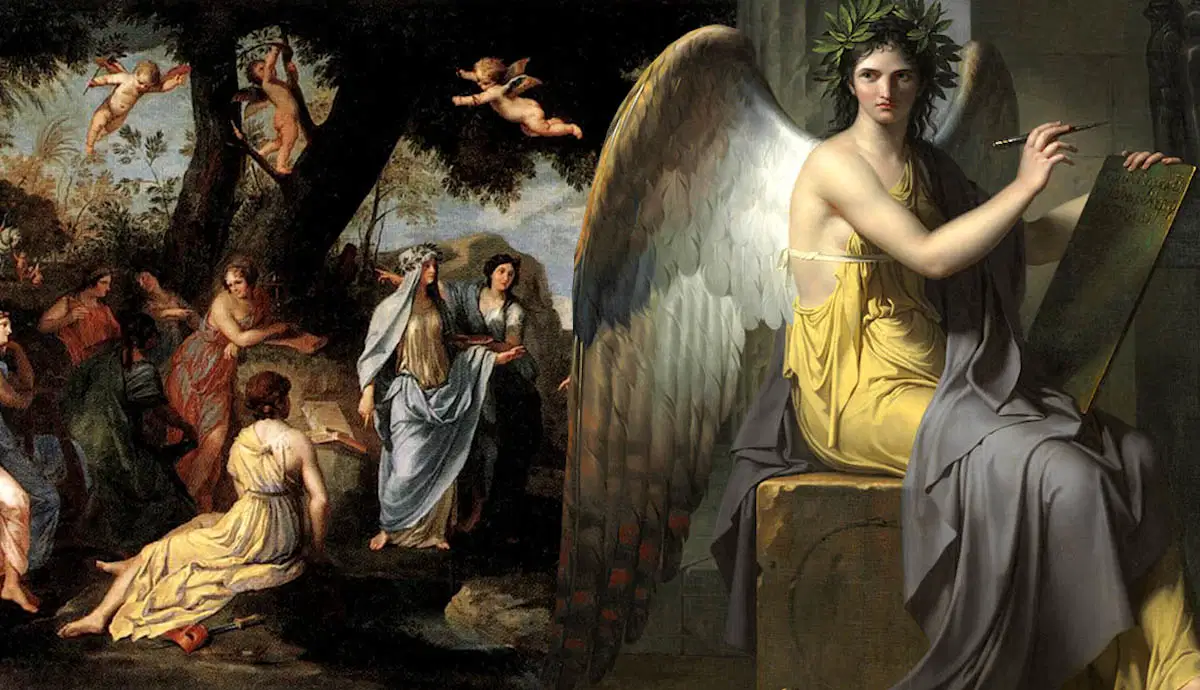
This is not a naive or simple idea. It does not mean that fiction should be didactic, or that characters should be mouthpieces for correct opinions, or that stories should resolve in tidy moral lessons. The greatest practitioners of this tradition were deeply aware of how art actually works. That it persuades obliquely, that it operates beneath argument, that it must first be good before it can be true and beautiful. They understood that if you are a skilled enough craftsman, if you can make a reader genuinely care about what happens on the page, then you have earned the right to embed in that story the harder things: the spiritual questions, the moral complexities, the emotional wounds that people carry in silence because they have never seen them named.
This is moral fiction, fiction that is capable with words of remoralizing those who have been demoralized. Not preaching. Not propaganda. But writing with a conscience and not as an NPC. Writing that believes the reader is worth something, that the reader's inner life is worth engaging, that literature has a responsibility to the living person reading what has been written.
I’m not interested in victims. I’m interested in heroes. I have to be. Science fiction is a problem-solving medium. Man is a curious animal who wants to know how things work and, given enough time, can find out . . . If science fiction doesn’t deal with success or the road to success, then it isn’t science fiction at all. Mainstream literature is about failure, a literature of defeat. Science fiction is challenge and discovery. ― John W. Campbell
What has replaced this tradition in much of contemporary literary fiction is its photographic negative: writing that does not believe in the reader's soul, that does not respect the human being in front of it, that may be technically accomplished but is emotionally inert. Where are the great authors that are changing the world today? They have all been muted. Instead, we have fiction written for other activist writers, other critics, other members of the guild, the cathedral of ruin. It wins subverted and captured prizes which normal people no longer value. It disappears from memory as soon as its promoters move on to the next brainless slop. Western literature's own rock bottom was not an accident.
The great writers did not write to conform. They wrote for the farmer in Iowa, the laborer in Moscow, the student in Osaka. For the common man. They wrote for themselves, for their soul, and the souls of others. They wrote for the people who were not in the room, who had no credentials, who came to literature with nothing but hunger. And they wrote as if that hunger mattered. As if it were the most important thing.
IV. Rock Bottom
There is something else the tradition of moral fiction understands that the destroyers reject: the value of the broken person who comes back.
The writers who have changed the most lives are rarely the ones who had it easy. They were not terminally online, only writing a telephone game mockery of life as a simulacrum. They are the ones who went down far enough to see the bottom, who knew pain and ruin and failure and self-destruction and the particular despair of someone who is smart enough to articulate their own hell but not yet strong enough to stop it, and who then, somehow, came back. Who found in their return something worth saying to everyone who had not yet made it back. Who understood, from the inside, what it feels like to be a human being trying desperately to be better and failing and trying again.
This is not a flaw in an artist's credentials. It is the credential. Suffering that has been metabolized into understanding. That has been turned, through enormous labor, into language that can reach another person in their own suffering. This is among the most valuable things one human being can offer another. The greatest stories are not written from comfort. They are written from the place where comfort was absent and had to be built from nothing.
The critics who cannot forgive an artist their biography are the critics who have never needed to be forgiven anything. They care more about an author's identity than the actual value of their work to humanity. They look at a life that included real darkness and see only the darkness. They cannot see what was built from it. They cannot see the readers. The billions of readers who held that work in their hands during their own darkness and found in it something that kept them going. Readers who overcame their personal hell because a novel told them the truth about what a deeper hell actually feels like and what it costs and what is waiting on the other side. Readers who understood their family for the first time. Who quit the numbing habits. Who came back to life and actually went outside and touched grass with others.
Books are good enough in their own way but they are a mighty bloodless substitute for life. ― Robert Louis Stevenson
These readers are not lesser people for having been moved by a work. They are not naïve or deluded or easy marks for a con artist. They are human beings doing the hard work of self-examination and growth and awakening, and they found in great works of literature a tool powerful enough to help them do it. This is the whole point.
V. The Institutionalization
Why, then, has transformative fiction all but disappeared from contemporary publishing? The answer has two parts: how writers are made, and how they are destroyed before they begin.
No other art form is as thoroughly institutionalized as literature. A musician can teach themselves in a bedroom. A filmmaker can start with a phone. A painter needs little more than materials and time. But a writer, if they hope to be taken seriously by the system that controls publication and review and prizes, must pass through a specific set of gatekeepers: the creative writing program, the MFA, the workshop, the journal, the approved literary agent, the approved publisher, the approved critic. All of them subverted and sabotaged to filter a ruinous worldview onto humanity. At each stage of this passage, a toll is extracted. The toll is ideological conformity toward an anti-human beast. The toll is the willingness to write in ways that the institution approves of, to have opinions the institution sanctions, to understand your work the way the institution understands it and wants to will upon the world.
The institution does not approve of transformation beyond their prescribed totality. It does not sanction the sincere desire to change lives in sincere ways that actually make the world better. It does not understand an author who insists that ordinary people, people who have never read their slop, people who don't know what intersectionality is supposed to mean, people living in places far from literary culture, are the intended audience and the appropriate judges of whether a work succeeds. The institution has, over several generations, produced writers who are spiritually dead, because spiritual authenticity does not survive the process of having to please their wicked machinations.
Meanwhile, the experiences that forged the great writers of the past have been largely removed from the lives of the writers of the present. Few have been within an actual war. Who alive today has faced a firing squad? The writers who transformed Western fiction in the twentieth century lived in the world in ways that contemporary writers, cushioned and credentialed and terrified of saying the wrong thing because, like vultures, their peers would rip them apart if they did, largely do not. Real experience such as suffering, failure, labor, love, loss, the particular education of a life that does not go according to plan is the raw material of transformative fiction. When you remove it, or screen it out at the point of entry into the institution of which no non-woke White man may pass, what you get is literature that is meaningless to normal Western people.
And then, if a genuinely dangerous writer were to emerge despite all this, someone from an unexpected place, with an unexpected life, writing in ways that the institution did not anticipate and could not control, what would happen to them? The answer is obvious, and it is a kind of preemptive execution. The threat of it keeps writers in line. The ones who aren't in line never make it through the traditional Western literary system.
VI. The Collective Raising
Beneath all of it, beneath every political question and economic question and social question, there is a question of human interiority: what kind of people were our ancestors, what kind of people are we, and what kind of people are we capable of becoming again as tribes and civilizations of humanity?
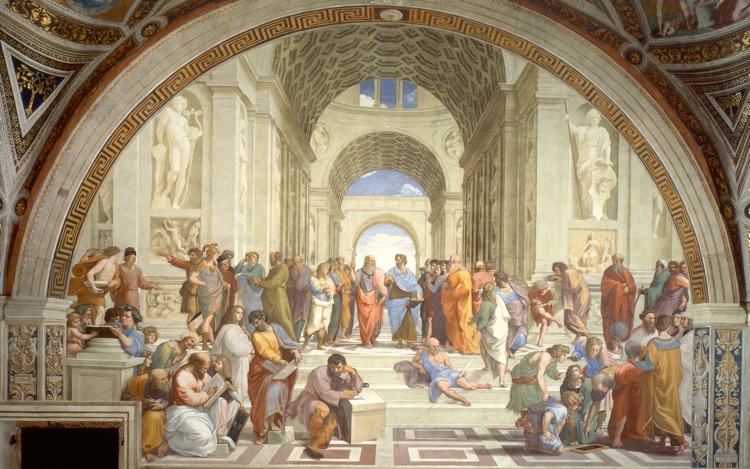
A society composed of people who have higher resilience, who have more capacity for pain, for self-examination, for being honest with what is actually true, for the regulation of their own destructive impulses… is a society that solves its problems. Not perfectly. Not easily. But the problems are solved, and we, the West, have problems to solve. What would a ten percent collective raising of "dangerously violent" literacy look like, spread across our population? What would it mean if more people had access, through literature, to the inner lives of people who have lived through the same kind of hells that are now reoccurring? What would it mean if the stories a culture told itself were stories about what human beings are actually like? Contradictory, wounded, capable of great cruelty and great redemption, searching, surviving, living. Rather than stories that confirm what various interest groups already believe and want to force you to think or else die?
This is what great literature does. This is what it has always done. It is, as one generation of writers understood, the most powerful long-form artistic medium for creating genuine transformation in the people who consume it. Because it shows us ourselves in ways that nothing else can, and in showing us, makes us capable of more than we were before and more capable of facing the challenges ahead for us all. Awaken!
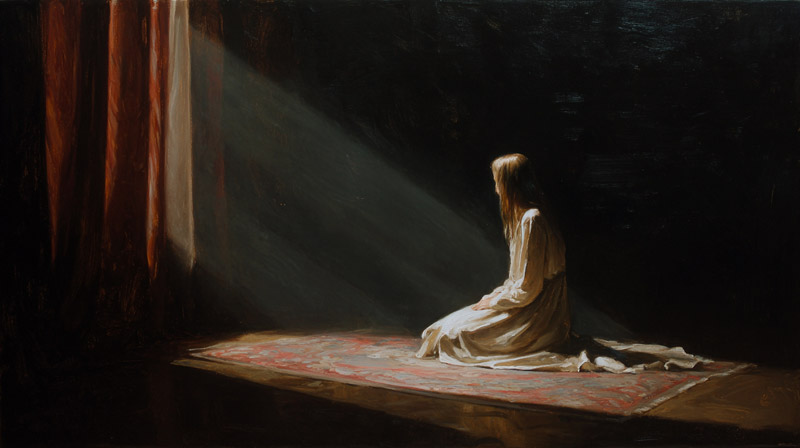
The destroyers, in their contempt for this possibility, are not only wrong about aesthetics. They are wrong about what is needed. They are wrong in a way that has consequences for all Western people they will never meet and would not think to consider. And they know it! They push a false need, a false reality, a false world, a false fate on purpose. They are terrified of a new movement of literature that invokes truth and beauty. They gnash their teeth and throw endless scorn that Eastern literature, which is now more powerful at reaching and changing both young and old Western people in ways they do not approve of, is mostly beyond their reach, as the destroyers of Western literature do not yet have the same power over Eastern publishing (though they are eagerly working to capture it). That is why they are so voracious in being the ones to platform, the ones to re-adapt, the ones to localize… to translate, the ones to censor, the ones to destroy, defile, and ruin the original and recreate it in their vile image.
Where are your story tellers who both entertain and ennoble you, Western man?
VII. Again and Again
There is no shame in the derivative. The derivative is everything!
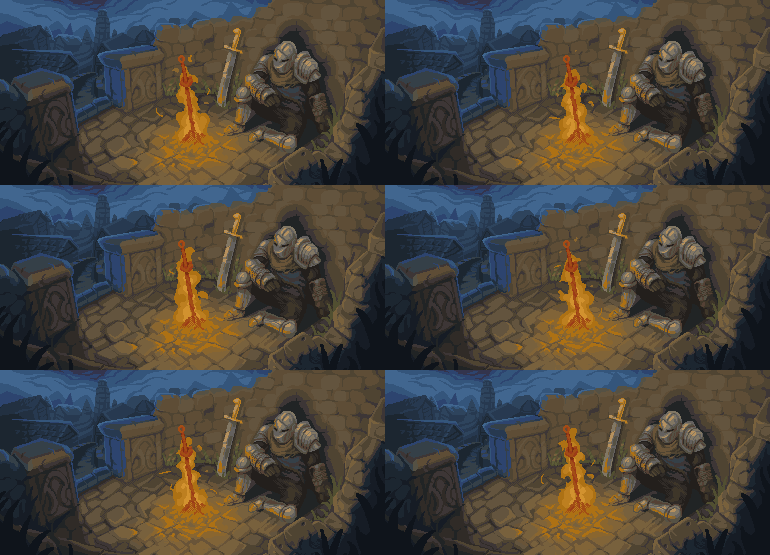
The campfire story and the novel share the same purpose: to say to another human being, here is what I know about being alive and surviving, and I hope it helps you, I hope that it helps our people, I hope that it helps humanity. Every generation retells the stories that matter because every generation needs to hear them again, updated for the world they actually inhabit and the environment that's trying to defile, kill, and ruin them. The fables do not become less true through repetition. The truth does not become less necessary because it has already been heard a hundred times. It all keeps coming back because the human tendency toward self-destruction does not go away, and the counterforce, the reminder, the communal affirmation of a better way of living, of actually surviving as a people, must be renewed constantly, or the tendency wins, the people become degenerated and demoralized, and the destroyers win.
This is why the greatest tradition in fiction is not originality for its own sake. It is the willingness to engage, generation after generation, with the same questions: How do I live? How do I manage what is worst in myself? How do I love well? How do I face suffering without being destroyed by it? What do I owe my people? What does it mean to be a good person in a world that makes goodness difficult?
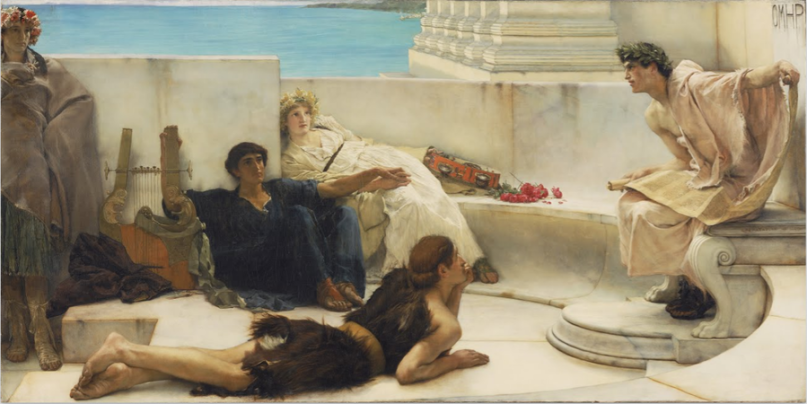
These questions do not have final answers. They have to be worked through again and again, in each new context, in each new struggle, by each new writer who is honest enough and skilled enough and brave enough to attempt them. We do not need writers who pretend these questions have been superseded by theory, that the obviously ruinous direction our civilization is headed in is how it has to be. We need writers who are willing to engage with the truths of nature directly, in the language of story, for the benefit of readers who are asking them right now in their own lives and would be grateful for the company.
The tradition does not need to be preserved in amber. It needs to be continued. Updated. Applied to the world we actually live in. The world of algorithmic distraction and flattened attention and the particular modern loneliness of people who are more connected than any humans in history but are actually more truly isolated than any humans ever to exist. This is the richest possible subject matter. This is what the next generation of transformative fiction has to work with. What it needs is writers willing to do the work. To fight for truth and beauty. To write their works. To publish their works for the benefit of us all.
VIII. What You Must Do
Refuse to be told that your desire for awakening is unsophisticated. Refuse the critics and the institutions that treat your hunger for literature that actually does something as evidence of your smallness. Your hunger is not a weakness. It is the beginning of wisdom. Continue to seek out the literature that changes you, that expands your mind, that makes you realize you matter, you really, really matter. And that your genuine people matters too. Talk about them. Defend them. Pass them on. The act of championing a work that transformed you is itself a form of literary culture, and it is more valuable than anything produced by the cathedral of ruin.
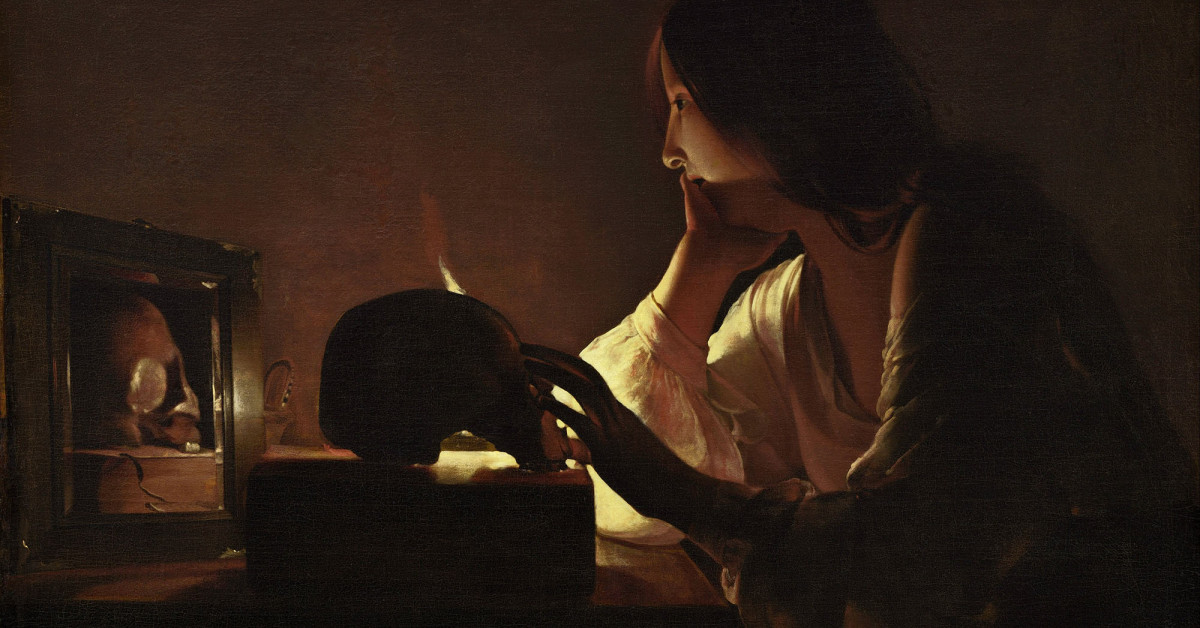
Understand that you have a responsibility that goes beyond craft. Craft is necessary. It is absolutely necessary, and anyone who tells you that sincerity is a substitute for skill is lying to you. But craft in service of nothing is a beautiful room with no one in it. Write toward the reader. Write toward the person who is looking for something in your work that they cannot find anywhere else because it is not allowed to exist within our current Western system. Write with the understanding that your job is not to impress the people who already know everything about literature, but to reach the people who need literature and don't yet know it. These people are everywhere. They are waiting to awaken from NPC to an ensouled individual who is in truth an extension of you in one giant family.
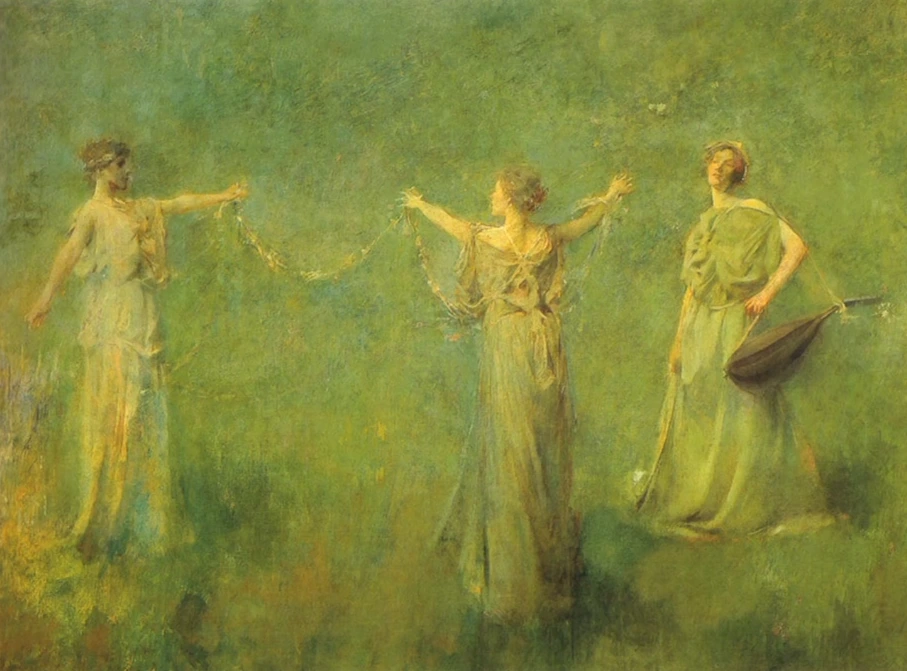
Find the writers among us who are upholding truth and beauty. Support them. Build the systems and culture that makes it possible for a genuinely transformative writer to exist and be heard before the machinery of destruction can silence them.
Find the works that are still alive. Read them aloud to those around you. Read to your loved ones! Create the conditions for genuine encounter between a young person and a work of art that is willing to demand something of them. The encounter is still possible. Young people are not, as the cultural pessimists insist, incapable of depth. They are hungry for it. They have simply been given so little of it that they have learned not to expect it from the West.
Push back against the destroyers with something they cannot refute: the sheer abundance of readers whose lives are better for having encountered literature. Fill the space they have tried to claim with proof of what they insist is impossible. Make the argument not in journals but in the world, in the transformed lives of readers who found what they needed in a story.
Write the necessary fiction that should feel almost illegal. Written as a sharp weapon. It must be so masterful and entertaining and capable of changing people that local and global problems get solved by those changed at scales like never before. The kind of works that people get fanatical about and force their friends and family to read to understand as if they were raising up hosts of armies. Those works existed in the past but were moments in time and perhaps none of them were ever as actually violent in willingness to change the mind as was necessary to prevent the state of today where it is more needed than ever. Children need to get burned once on the stove to understand not to touch it and the world needed to too before it was ready to learn. Every generation needs to learn on their own when the cycle of generations is broken, which has happened. A war of the mind is needed. A kind of psychic global holy war to affirm natural and human truth is necessary. A billion new words written by thousands of authors with a shared mission.
Coda: The Highest Ideal
In music, when a piece of genuine art reaches you, you feel something you have long repressed. Something that was waiting in you finally finds its way to the surface. These are forms of grace. These are what we come to art for.
Literature, at its best, does all of this and more. Because it happens in natural, human language. In the same medium we use to think, to dream, to narrate our own lives. It reaches places that image and sound cannot. A great work becomes, for the duration of its reading and long after, part of the interior monologue with which you understand your own existence. It creates, as the best works do, a conversation in your soul that can last decades.
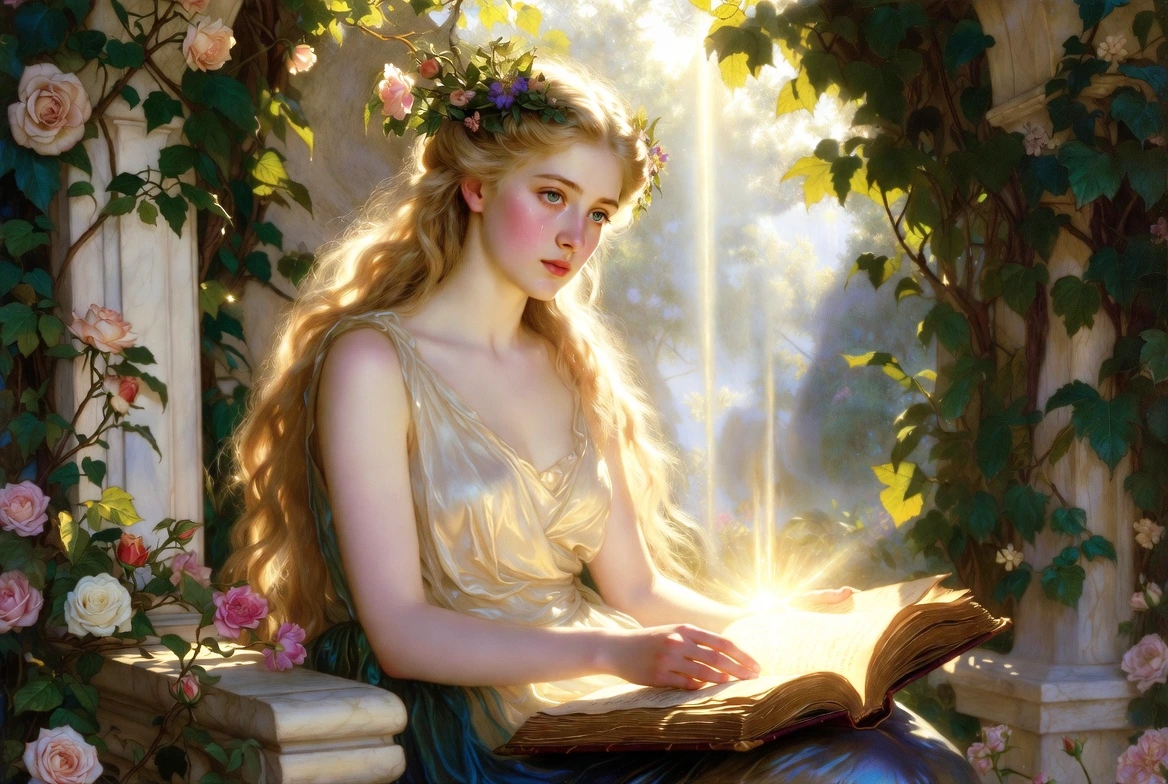
We lost this in the West not because human beings have stopped needing it (they have never needed it more) but because the people who control literary culture have decided that this kind of need is counter to their agendas.
This is a failure of courage, it is a failure of love, it is a failure to uphold beauty, it is a failure to uphold truth. The greatest writers in the tradition of moral fiction loved their readers, they loved their people. They wrote in full knowledge that somewhere, someone was going to read what they had written during the worst moment of their life, and they held that possibility as a sacred obligation. They did not write merely for a distant posterity (who, today, is at risk of even existing). They did not write for ideologically captured prizes. They wrote for the person who needed it. Whoever and wherever that person was.
This is still what literature is for. This is still what it can do. We must have the courage to demand it, the ambition to create it, the will to uplift it.
We must win. We will win.