Write for the Living

I. What We Lost
There is a question that nobody in the literary establishment wants to answer honestly:
What is literature for?
Not in the academic sense. Not in the careerist sense of grants, reviews, and the approval of editors in the same three zip codes. I mean what is it for in the oldest, most human sense? The sense that drove people to gather around fires and tell each other stories long before anyone had a deconstructive theory about it. What is the purpose of one human being spending their life building a world out of language, and another human being surrendering time from their own life to enter it?
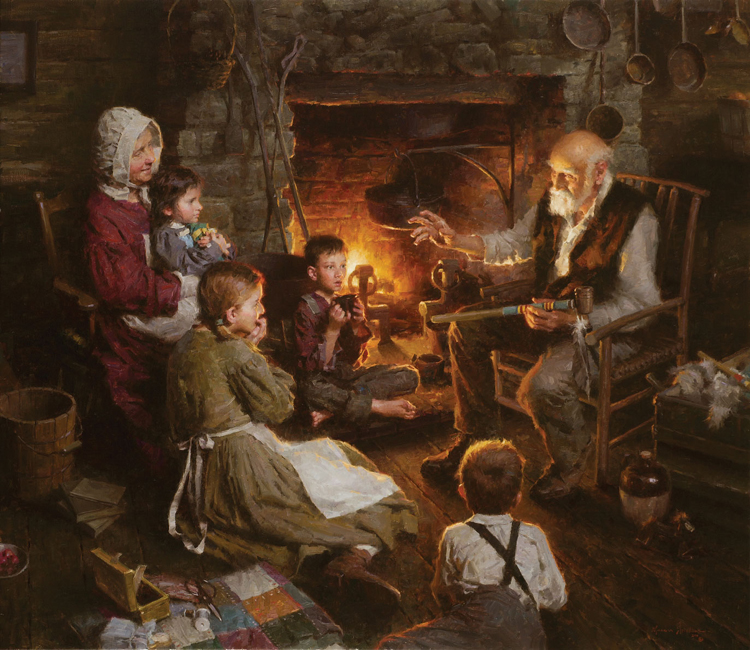
For most of recorded literary history, the answer was understood without needing to be said: a story should do something to you. It should leave you different from how it found you. It should raise your emotional floor, sharpen your moral vision, illuminate corners of your interior life that you had either never visited or had long been afraid to enter. Great fiction the fiction that lasts, the fiction that gets passed from parent to child and friend to friend across centuries and does not merely trigger dopamine in a disposable, replaceable way. It transforms. It takes the reader's hand and leads them somewhere they would not have gone alone in their life's trajectory, and when it releases them at the other side, the world looks different. They look different. They are different. Their soul has been touched. They have been enlightened, awakened, moved into a new worldview of their own.
Before the banishment of truth and beauty, this was once considered the highest ideal of art. It is now, in certain circles, considered heretical.